
Horseshoe Crab Project
How ACC Helps with Horseshoe Crab Preservation for Future Generations
Manufacturers must test drugs, vaccines, surgical implants, and prosthetic devices for endotoxins to protect patient safety. The pharmaceutical industry relies on limulus amebocyte lysate (LAL), a compound in horseshoe crab blood, for this testing. ACC has a long conservation history — following strict standards and using a catch-and-release model for horseshoe crab protection while using the animals’ blood to produce life-saving endotoxin test reagents.
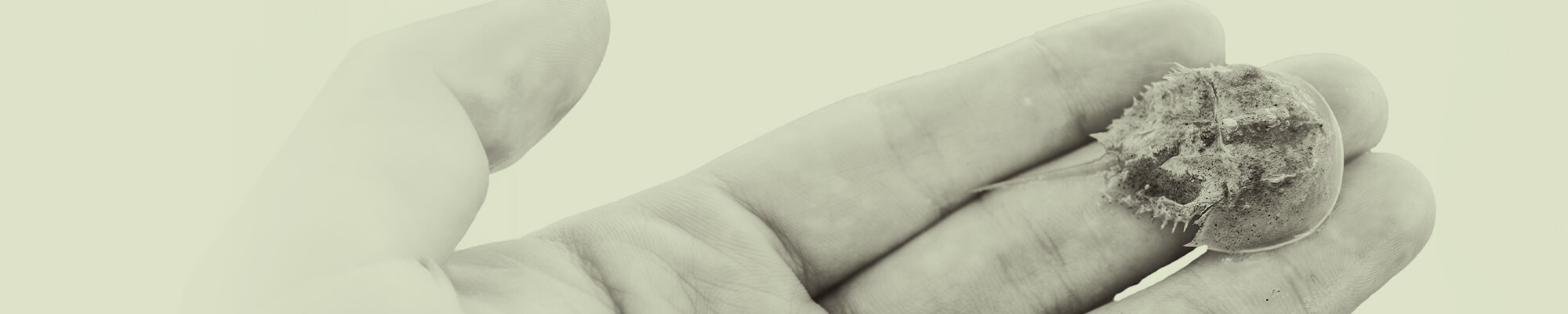
Building on this history, the company launched our Horseshoe Crab Sustainability Project in 2018. We expanded the program into Asia in 2019 and have reared and released more than 1.4 million juvenile horseshoe crabs into coastal waters. This unique project helps to ensure the genetic diversity of the horseshoe crab and to secure a stable supply of horseshoe crabs now and for future generations.
Building A Horseshoe Crab Nursery
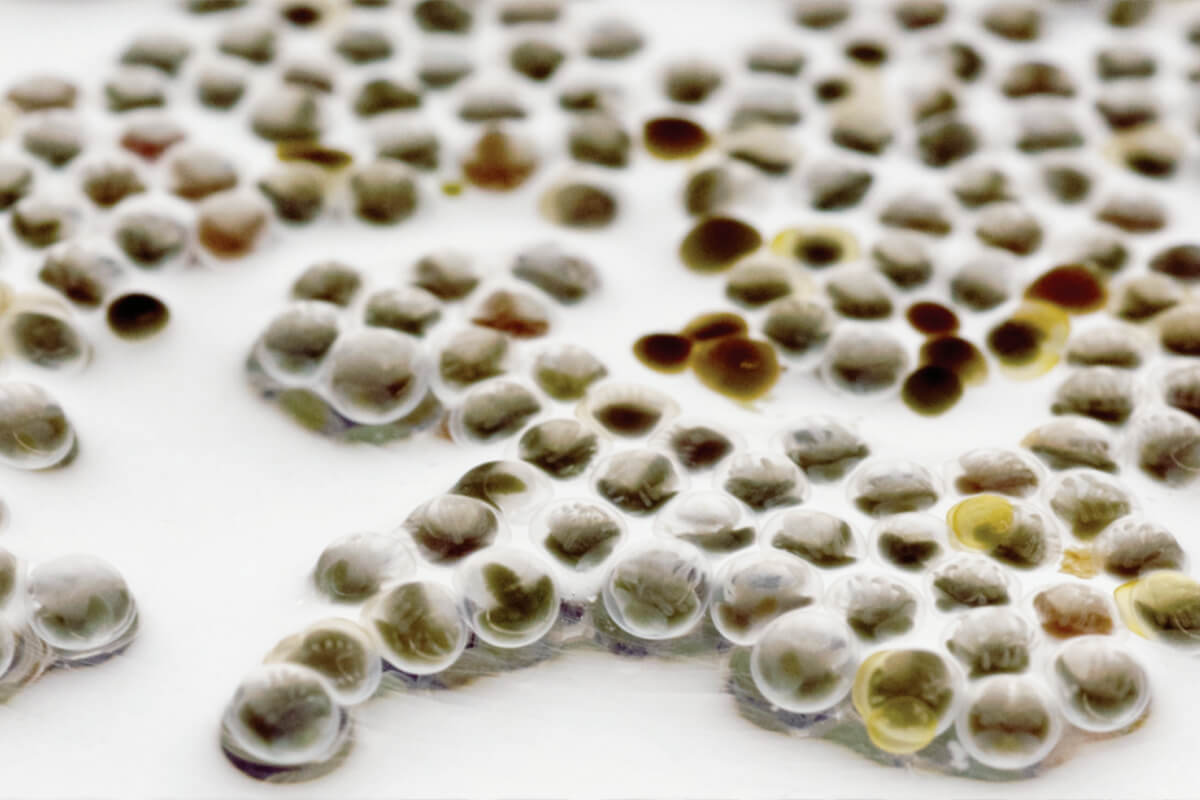
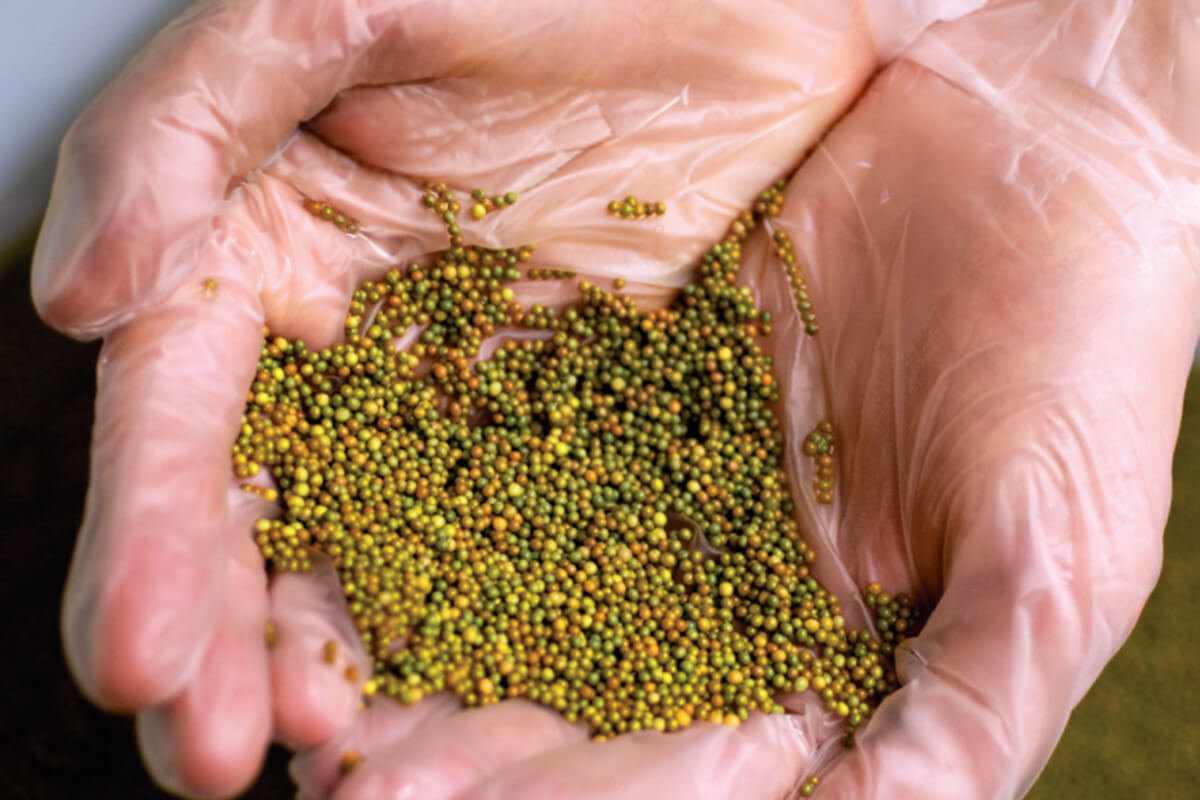
Our Horseshoe Crab Sustainability Project was founded by partnering with local regulators and fisheries. We acquired a class 1 type 4 aquaculture permit, and utilizing a patent-pending process, we collect horseshoe crab eggs, fertilize them, grow them, and strategically release them into their natural environment. This program only uses eggs collected from bait crabs that are sacrificed for the eel, conch, and whelk fisheries, extending their genetic legacy for generations to come.
As a global leader in endotoxin testing for decades, we are proud to provide testing solutions that protect patient health and safety while developing innovative ways to sustain the horseshoe crab population.
Horseshoe Crabs and The Biomedical Industry
Read our FAQs to learn how horseshoe crabs protect patient safety and how ACC protects horseshoe crabs.
FAQs
What makes a horseshoe crab blood unique?
Horseshoe crab blood carries factors that react to antigens found on and in gram-negative bacteria walls by forming a clot around them. The clot isolates the bacteria and protects the crab from infection. The blood also begins a healing process similar to ours, where we form a clot and a scab, and eventually, wounds heal.
What is LAL, and why is it so important?
Limulus amebocyte lysate (LAL) is an aqueous extract of blood cells (amoebocytes) from the horseshoe crab. The LAL test is the most sensitive, accurate, and cost-effective test on the market today for detecting contaminating endotoxins. This test was first licensed by the FDA in the 1970s and is now the gold standard. It can detect endotoxin in the parts per billion. That’s like finding a grain of sand in an Olympic swimming pool.
Before LAL, rabbits were used to test for endotoxin by injecting the rabbit with samples of the product being manufactured and waiting two or three days to see if the rabbit developed a fever. Hundreds of thousands of rabbits were required to be held and utilized this way. LAL-based assays replace this test with one that is more humane, more accurate, cost-effective, and efficient, giving results in a test tube in about an hour. Few people have not benefited from a bacterial endotoxins test.
What types of things are tested with horseshoe crab blood?
The FDA mandates that all injectable or indwelling materials, such as catheters, must be tested for endotoxin contamination before being released for sale. This is to protect the public from products that are not sufficiently free of materials that can make a patient ill from exposure to gram-negative cell wall material. If endotoxin enters your bloodstream, it can make you sick and possibly even kill you. The test we manufacture is used for medical devices, such as knee replacements, stents, heart valves, and intravenous solutions, and drugs and vaccines like childhood immunizations, insulin, flu vaccines, and chemotherapy drugs, to name a few. Anything injected or implanted into the human body must be free of endotoxin.
I have read that horseshoe crab blood is worth $15,000 a quart. Is this true?
Absolutely not. This is a myth sensationalized by some media. Manufacturing LAL, which is made from the white blood cells of horseshoe crabs, is a complex process regulated by the FDA and must be done under extremely clean conditions. A typical LAL test costs less than $20. In terms of the impact it has had on human health and safety, it is safe to say it has saved many lives and is, therefore, priceless.
Where do the crabs you bleed come from?
Most of the crabs that come to our facility are from Massachusetts waters, Vineyard Sound, Nantucket Sound, and Buzzards Bay. Fishermen catch them in various ways but must follow strict regulations on size, number of crabs harvested, and quota management.
How does the horseshoe crab bleeding work?
The process is very similar to when people donate blood. The crabs are checked for good health and placed in a clean laboratory, where we disinfect a portion of the shell and carefully insert a sterile needle. The crabs have a sinus in the dorsal aspect of their body just under the shell that holds excess blood, and we collect from that region. The way the crabs are held limits the blood that can be harvested to the dorsal sinus; most of the blood in the gill area is untouched. Studies have shown that the crabs tolerate this process very well and the overwhelming majority survives.
What threats face the horseshoe crabs today? Are they endangered?
Like any sea creature, horseshoe crabs depend on a suitable environment to live and reproduce. Water quality is important, as is having suitable beaches to lay their eggs. Fertilizers, septic systems, and other forms of pollution can significantly reduce the quality of water on which the crabs depend. Sea walls, rip rap, and jetties can manipulate the natural movement of sand on beaches and affect spawning habitat. Beach nourishment, the practice of bringing truckloads of sand to beaches to replenish what’s lost or make them look nice, can bury millions of eggs before they hatch if not carefully timed.
Crabs are also used as bait for conch and eels, another source of manmade mortality.
Crabs in the United States are regulated and monitored carefully. They are not endangered. In fact, in many areas, crab populations are growing considerably. In other parts of the world, they are victims of pollution and human development of coastal areas and are not so closely monitored.
What does ACC do to facilitate horseshoe crab protection?
Our Horseshoe Crab Sustainability Project builds on our long commitment to horseshoe crab preservation. We work closely with fishermen and regulators to minimize the impact we may have on crab populations. Most crabs we use survive the process of blood extraction and are released. ACC was instrumental in creating a minimum size limit for crabs to ensure only mature crabs are collected and helping to keep a biomedical-only fishery in Pleasant Bay, MA, where all the crabs collected are released.
We have supported conservation efforts that include using bait bags, decreased catch limits, and prohibiting fishing for crabs around peak spawning periods. We also participate in the Massachusetts “rent a crab program,” where crabs destined for use as bait are brought to our facility first. This helps to limit the overall impact on crabs and is unique to Massachusetts. ACC takes part in the Atlantic States Marine Fisheries Commission (ASMFC) Horseshoe Crab Advisory Panel, where we helped develop the Best Management Practices (BMPs) for the industry. We also collect data for the regulators from every crab that enters our facility, which is invaluable to understanding population dynamics
What information should more people know about horseshoe crabs?
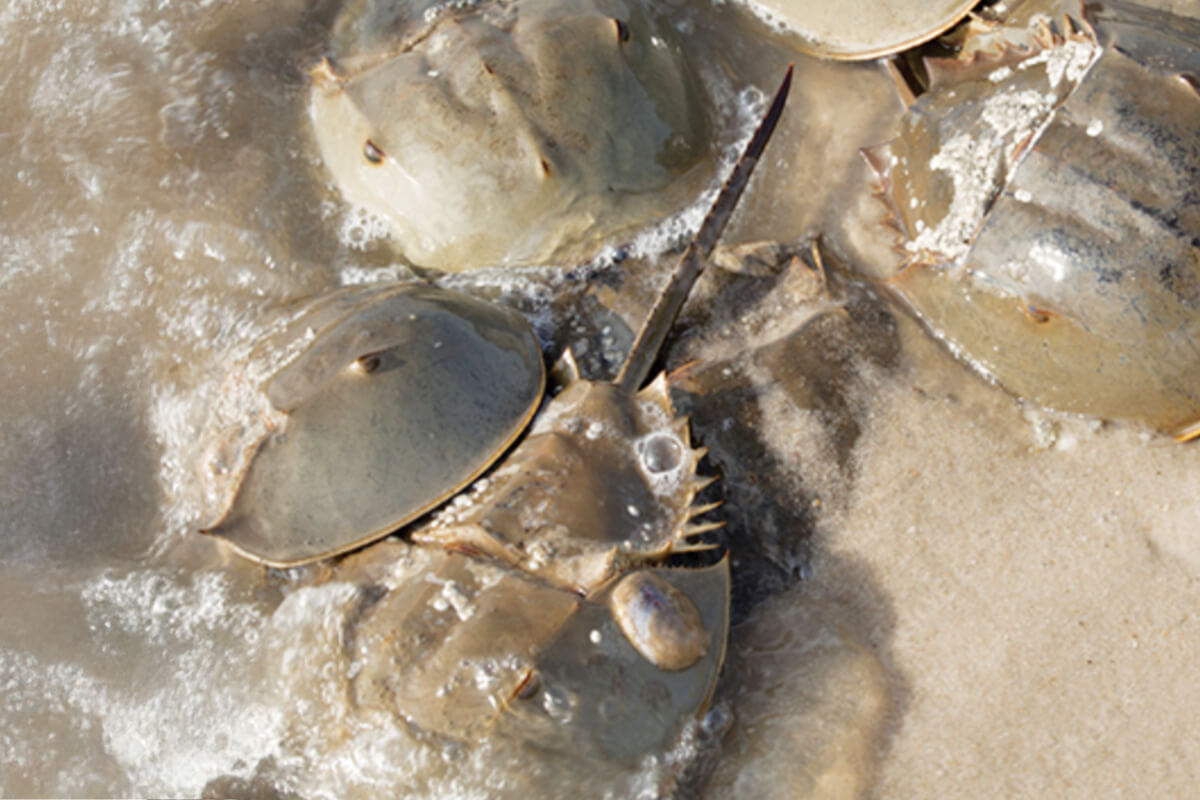
Horseshoe crabs and their ancestors have been on this planet for around 400 million years and have survived mass extinctions. They are not harmful; they don’t sting, bite, or try to do us any harm. Remember, when you see a horseshoe crab shell washed up on the beach, it is likely a molt and not a dead crab. Crabs can only grow by shedding their shells and growing larger ones. Old shells are discarded, and many beachcombers worry that crabs are dying when they are just growing up.
Even as recently as the 1950s, crabs were destroyed by the tens of thousands by people on Cape Cod and elsewhere, fearing they were harmful to shellfish beds or for use as fertilizer and pig food. In fact, they are useful for shell fishermen by helping to till and keep sediment aerated. They are an essential part of the international ecosystem.
How can participate in horseshoe crab preservation efforts?
Water quality and human development are major threats to all fragile ecosystems such as the embayments where horseshoe crabs reproduce and grow. Do your part in limiting the impact humans have on water quality and beach erosion.
If you ever see a crab upside down on the beach, gently roll it over so it can return to the water. And remember, the next time you or a loved one receives an injection, IV, or implant, be sure to thank a horseshoe crab!
Related Media
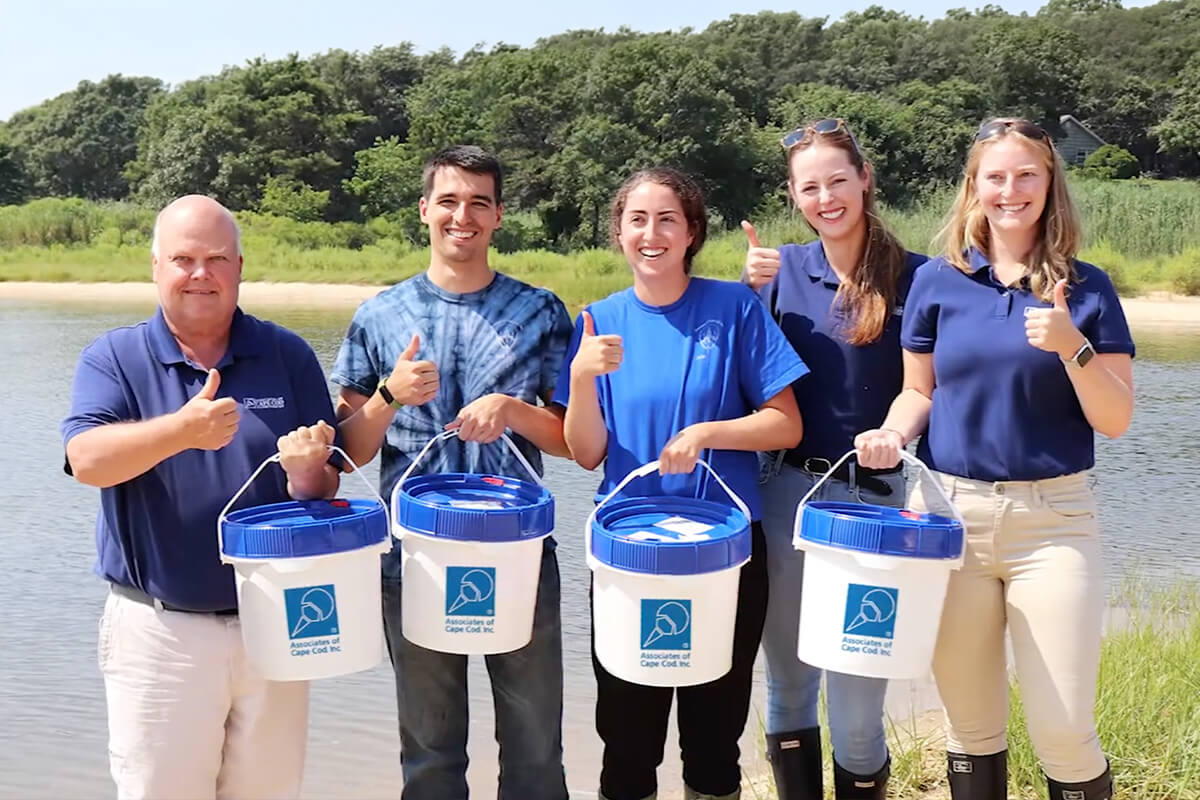
Horseshoe Crab Sustainability Project: 1 Million & Counting!
ACC focuses on supporting fisheries worldwide and ensuring the genetic diversity of the horseshoe crab.
Horseshoe Crab Sustainability Project Flyer
ACC introduces a Horseshoe Crab Sustainability Project that will help ensure a stable supply of horseshoe crabs now and for future generations.
Will Recombinant Lysate Save the Horseshoe Crab?
This article examines the assertion that a synthetic reagent could save the horseshoe crab and explains the fallacies that it is based upon.